
Decarbonisation and Durability: What Five Years of Data Tells Us About Fleet Economics
Guest Article — by RHINO Group
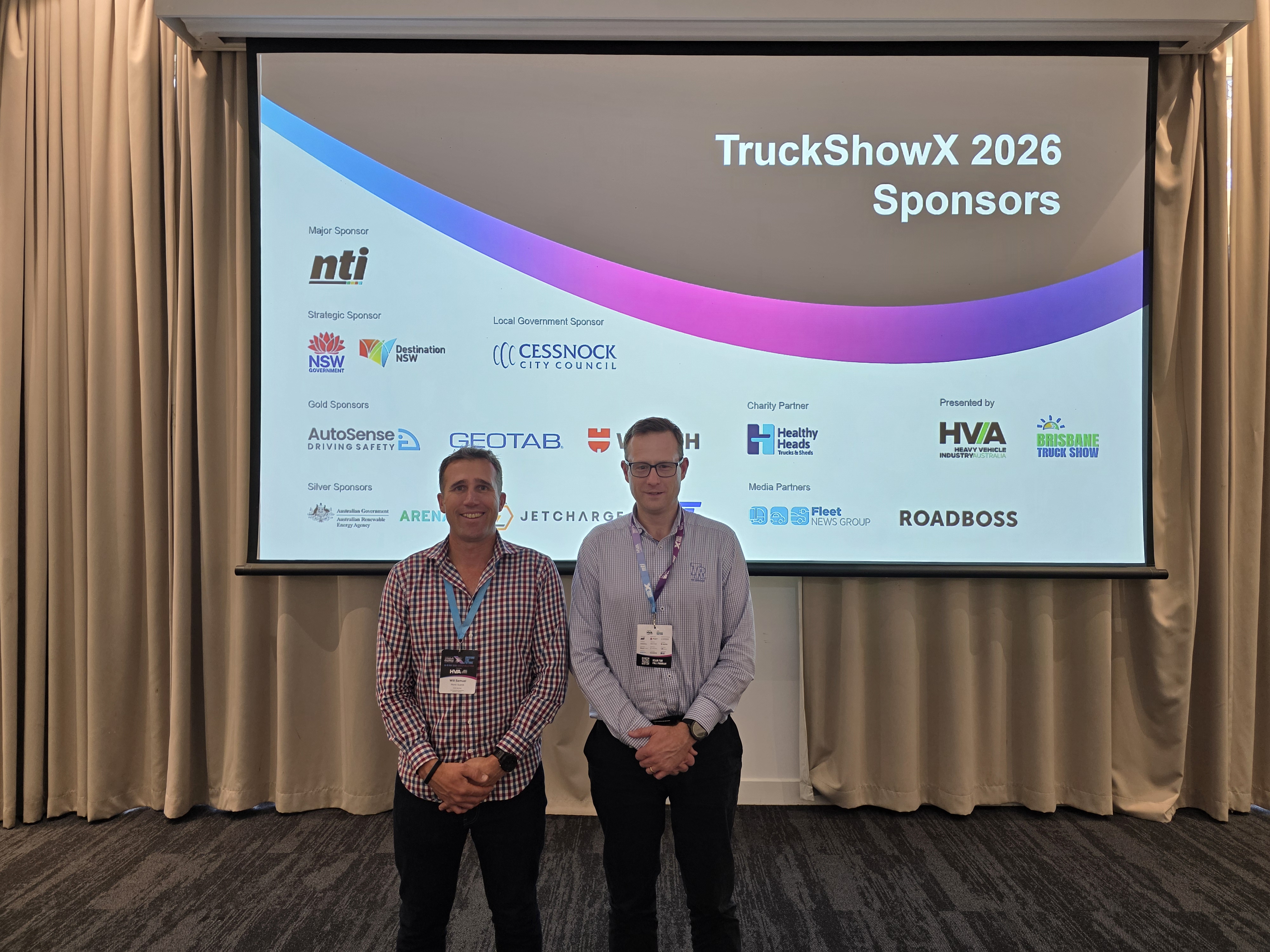
At Truck Show X, TR Group's Scott Donnelly (New Energy & Emissions Reduction Lead) and Will Samuel (General Manager, RHINO Guards) took the stage to talk about "The forces shaping decarbonisation in fleets and manufacturing" - and to share results from a partnership now five years in the making.
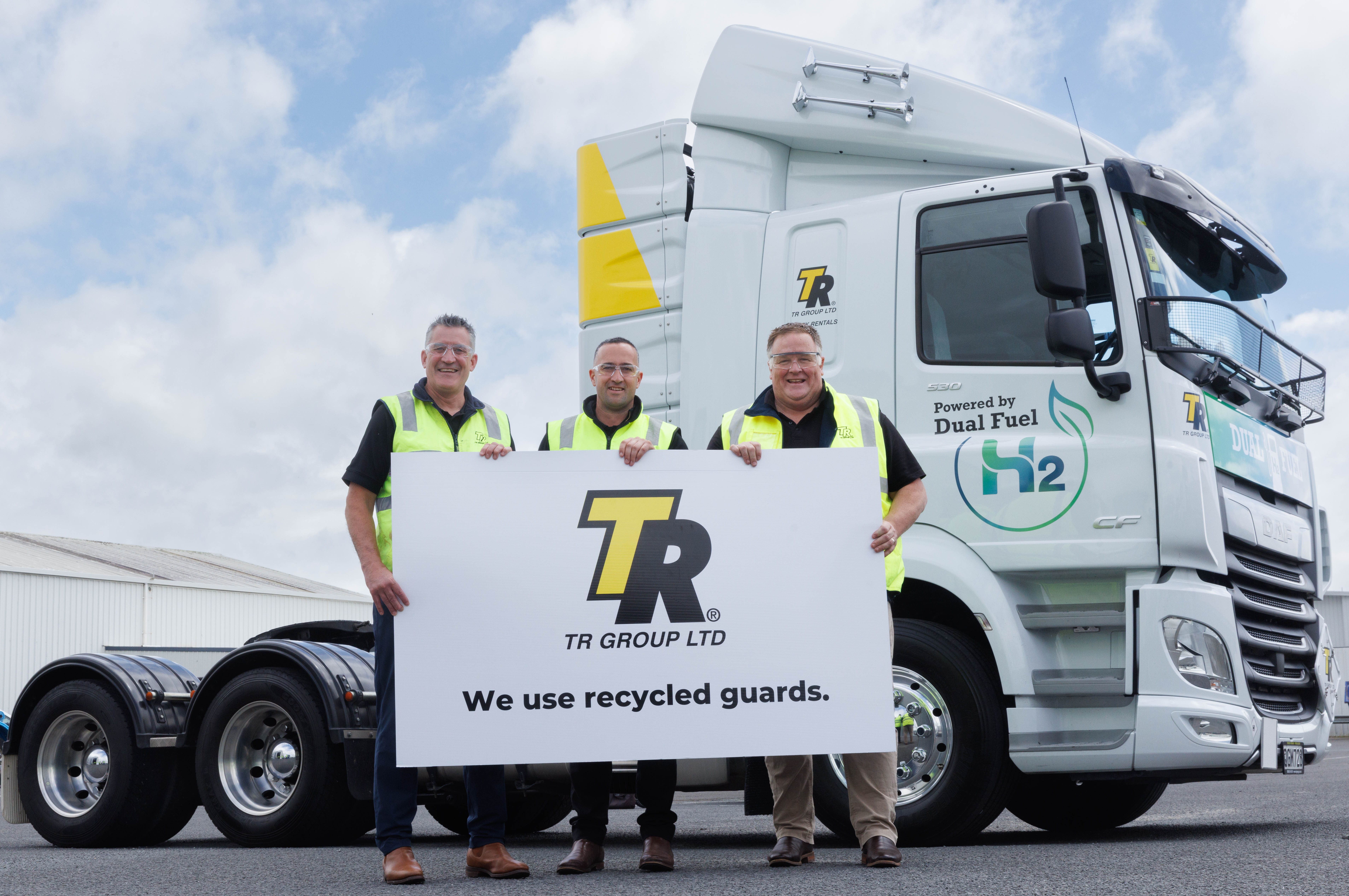
The session traced how old approaches to fleet components have made way for new ones, what's driving that change, and the growing role of ESG - including carbon measurement across supply chains and the importance of quality and security of supply. TR Group has been a leader in adopting RHINO's recycled guard initiative as part of its broader ESG program.
In preparing for the presentation, Scott and Will went looking for hard numbers. The results were illuminating.
The carbon case
Guards made from recycled plastic deliver a verified 76% CO₂ reduction compared to virgin-plastic guards for part PL12063 - the only size independently tested to date, as full verification across the range wasn't cost-effective. Internal calculations across the wider guard range indicate an average reduction of over 70%, giving a good directional sense of the impact across TR Group's fleet.
The cost case
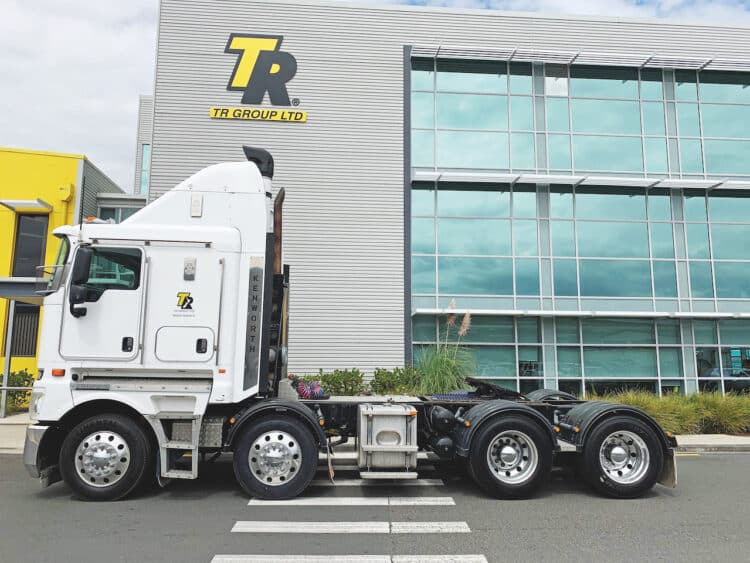
The team then turned to repairs and maintenance data from TR Group's rental fleet across New Zealand. TR Group replaces approximately 3.2% of its mudguards each year through ordinary repairs and maintenance - meaning a durable component can remain in service for decades before it needs replacing. Separately, 4.1% of guards are purchased specifically to refurbish a truck or trailer back to like-new condition ahead of resale, reflecting how guard condition factors into a vehicle's resale value.
"Fleet economics is a brutal multiplier," Donnelly said. "A small saving in a part like a mudguard can easily turn into costing thousands of dollars if you factor in failure, downtime, rework, tyre damage or early replacement." Scott is uniquely placed to make that call, holding responsibility for repairs and maintenance in the South Island.
This combination of lower carbon footprint and lower long-term cost reflects why TR Group has specified RHINO Guards as standard across its builds for years - a practice that predates this year's numbers, and one the data now helps put a figure on.
As decarbonisation and total cost of ownership increasingly sit on the same page for fleet operators, TR Group's years of data with RHINO point to a broader lesson: the components that seem small on a spec sheet can carry outsized weight on both the emissions ledger and the P&L.
Read more on TR Group's sustainability program here.

About the author
Will Samuel
Will Samuel is General Manager of RHINO and leads all areas of the business, including Health and Safety, People & Culture, Sales & Marketing, New Product Development, Production and Finance. Reporting to the Board, he is responsible for RHINO’s overall performance, strategy and day-to-day leadership.
Will began his career in the transport industry with BP and has since built extensive leadership experience across both the private and public sectors. He has worked with organisations at start-up, growth, mature and distressed stages, with professional experience spanning New Zealand, Australia, and the United Kingdom.
Since joining RHINO in 2019, Will has led the transformation of the business into a highly efficient and innovative organisation. He works closely with customers, partners and suppliers throughout New Zealand and Australia, helping RHINO build trusted, long-term industry relationships.